
Samsung Galaxy S23 Ultra price in Pakistan
Samsung Galaxy S23 Ultra price in Pakistan is Rs. 382,999 (last updated 26 Oct 2026). See all Samsung phones.
The Samsung Galaxy S23 Ultra remains one of the most complete big phones because it gets the fundamentals right: outstanding battery life, a superb 1440p display, a versatile zoom camera and a built-in S Pen. The Snapdragon 8 Gen 2 for Galaxy is fast, efficient and stays cool even in heavy games, so the phone still feels quick. Its weak points are bulk, shutter lag and video that trails the very best, and Android 17 is its last major upgrade.
Who it's for
- Zoom and travel photographers: the 3x and 10x telephotos handle distant shots, concerts and even the moon, with results past 10x that few phones match.
- Power users: heavy days end with charge to spare, and 45W charging refills the battery in about an hour.
- Note and productivity fans: the built-in S Pen makes marking up screenshots and signing documents effortless.
Where it falls short
It is large and heavy, and the buttons feel less premium than the rest of the phone. Shutter lag is still noticeable, especially in 50 MP and 200 MP modes. Video stabilisation and exposure trail the best iPhones in some tests, night mode can over-process, and there is no microSD slot.
Worth comparing
The Samsung Galaxy S24 Ultra (Rs. 434,999) adds a titanium frame, a flat and less reflective display, Galaxy AI tools, a more useful 50 MP telephoto and seven Android upgrades from 2024. Battery life, charging and the S Pen are similar, so the S23 Ultra makes sense if saving money matters more than newer features and longer support.
| Network | Technology | GSM / CDMA / HSPA / EVDO / LTE / 5G |
|---|
| Launch | Announced | 2023, February 01 |
|---|---|---|
| Status | Available. Released 2023, February 17 |
| Body | Dimensions | 163.4 x 78.1 x 8.9 mm |
|---|---|---|
| Weight | 234 g | |
| Build | Glass front (Gorilla Glass Victus 2), glass back (Gorilla Glass Victus 2), aluminum frame | |
| SIM | · Nano-SIM + eSIM · Nano-SIM + Nano-SIM + eSIM (max 2 at a time) |
| Display | Type | Dynamic AMOLED 2X, 120Hz, HDR10+, 1200 nits (HBM), 1750 nits (peak) |
|---|---|---|
| Size | 6.8 inches (~89.9% screen-to-body ratio) | |
| Resolution | 1440 x 3088 pixels, 19.3:9 ratio (~500 ppi density) | |
| Protection | Corning Gorilla Glass Victus 2 |
| Platform | OS | Android 13, up to 4 major Android upgrades, One UI 8 |
|---|---|---|
| Chipset | Qualcomm SM8550-AC Snapdragon 8 Gen 2 (4 nm) | |
| CPU | Octa-core (1x3.36 GHz Cortex-X3 & 2x2.8 GHz Cortex-A715 & 2x2.8 GHz Cortex-A710 & 3x2.0 GHz Cortex-A510) | |
| GPU | Adreno 740 |
| Memory | Internal | 256GB 8GB RAM, 256GB 12GB RAM, 512GB 12GB RAM, 1TB 12GB RAM |
|---|---|---|
| Card Slot | No |
| Main Camera | Modules | 200 MP, f/1.7, 24mm (wide), 1/1.3", 0.6µm, multi-directional PDAF, OIS 10 MP, f/2.4, 70mm (telephoto), 1/3.52", 1.12µm, PDAF, OIS, 3x optical zoom 10 MP, f/4.9, 230mm (periscope telephoto), 1/3.52", 1.12µm, PDAF, OIS, 10x optical zoom 12 MP, f/2.2, 13mm, 120˚ (ultrawide), 1/2.55", 1.4µm, dual pixel PDAF, Super Steady video |
|---|---|---|
| Features | Laser AF, LED flash, auto-HDR, panorama | |
| Video | 8K@24/30fps, 4K@30/60fps, 1080p@30/60/120/240fps, HDR10+, stereo sound rec., gyro-EIS |
| Selfie Camera | Modules | 12 MP, f/2.2, 26mm (wide), 1/3.2", 1.12µm, dual pixel PDAF |
|---|---|---|
| Features | HDR, HDR10+ | |
| Video | 4K@30/60fps, 1080p@30fps |
| Sound | Loudspeaker | Yes, with stereo speakers |
|---|---|---|
| 3.5mm Jack | No |
| Comms | WLAN | Wi-Fi 802.11 a/b/g/n/ac/6e, tri-band, Wi-Fi Direct |
|---|---|---|
| Bluetooth | 5.3, A2DP, LE | |
| GPS | GPS, GALILEO, GLONASS, BDS, QZSS | |
| NFC | Yes | |
| Radio | No | |
| USB | USB Type-C 3.2, OTG |
| Features | Sensors | Fingerprint (under display, ultrasonic), accelerometer, gyro, proximity, compass, barometer |
|---|
| Battery | Type | Li-Ion 5000 mAh |
|---|---|---|
| Charging | 45W wired, PD3.0, 65% in 30 min 15W wireless (Qi) 4.5W reverse wireless |
| Misc | Colors | Phantom Black, Green, Cream, Lavender, Graphite, Sky Blue, Lime, Red, BMW M Edition |
|---|---|---|
| Models | SM-S918B, SM-S918B/DS, SM-S918U, SM-S918U1, SM-S918W, SM-S918N, SM-S9180, SM-S918E, SM-S918E/DS |
Similar Price Range




Top Trending Mobiles
More from Samsung
See more
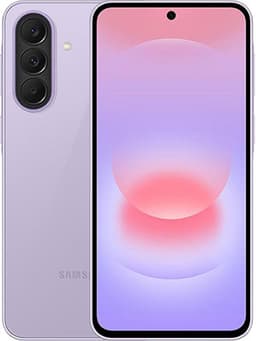
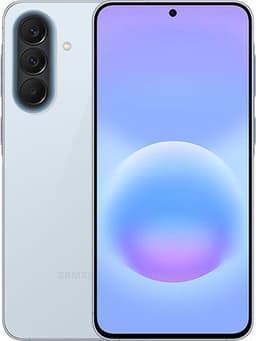
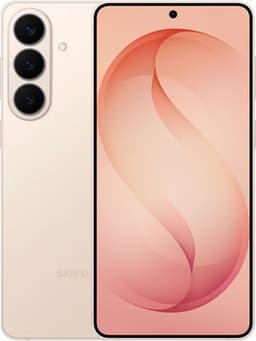
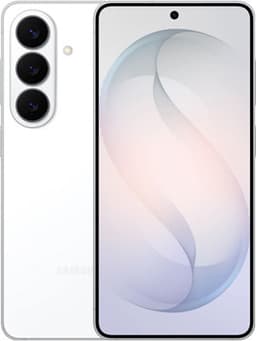


Other Samsung models
- Samsung Galaxy S22 UltraRs. 424,999
- Samsung Galaxy S23Rs. 399,999
- Samsung Galaxy S23 FERs. 190,999
- Samsung Galaxy S23 PlusRs. 449,999
- Samsung Galaxy S23 UltraThis phone
- Samsung Galaxy S24Rs. 289,999
- Samsung Galaxy S24 FERs. 219,999
- Samsung Galaxy S24 PlusRs. 464,999
- Samsung Galaxy S24 UltraRs. 434,999
Samsung Galaxy S23 Ultra: Buyer's Guide
Is It Value for Money?
At Rs. 382,999, the Samsung Galaxy S23 Ultra is still a strong flagship, but its value depends on how long you plan to keep it.
- Strengths: excellent battery life, a sharp and bright 1440p display, a fast and cool-running Snapdragon 8 Gen 2, a versatile camera with 3x and 10x zoom, very good speakers and the built-in S Pen.
- Weaknesses: large and heavy, shutter lag, video that trails the best iPhones in some conditions, no microSD slot, and Android 17 is its final major upgrade.
The Samsung Galaxy S24 Ultra costs Rs. 434,999 in our listings. GSMArena notes that price is the main reason to pick the S23 Ultra, because battery life, charging, the S Pen and performance are close. Choose the S23 Ultra to save money on a proven flagship; choose the S24 Ultra if you want several more years of Android upgrades.
How Is the Display?
The 6.8-inch Dynamic AMOLED 2X panel has a 1440 x 3088 resolution, a 120Hz LTPO refresh rate that drops very low when nothing moves, HDR10+ support and up to 1750 nits peak brightness. It is one of the best phone screens for Netflix, short videos and everyday use, and the default Vivid mode looks lively, though it is not the most colour-accurate setting.
The phone ships at 1080p resolution; switching to 1440p in settings gives a sharper picture, and battery life is strong enough to allow it. The curve on the sides is gentler than before, giving more flat area. Gorilla Glass Victus 2 protects the front and back.
Limits: there is no Dolby Vision support, so Dolby Vision content loses some highlight detail, and the panel is 8-bit. In direct sunlight the iPhone 14 Pro gets slightly brighter.
How Is the Performance?
The Snapdragon 8 Gen 2 for Galaxy is a slightly overclocked version made for the S23 series, and every S23 Ultra uses it; there is no Exynos version. It keeps pace with Apple's A16 Bionic and beats it in graphics, with up to 12GB RAM and fast UFS 4.0 storage that makes apps open and install quickly.
Thermals are excellent. A large vapour chamber keeps the surface below 40 degrees even in heavy games like Genshin Impact, fixing the heating problems of the S22 Ultra. Bypass charging can power the phone directly from the charger while gaming, reducing heat and battery wear, though the option has been missing on some units.
For gaming, multitasking and editing, it remains fast years after launch.
How Is the Camera?
The 200 MP main camera combines pixels for cleaner default photos, and its optical stabilisation now corrects twice as much movement as before. Photos are warm, punchy and colourful with good dynamic range, and low-light shots show more detail and less noise. A 50 MP mode gives extra detail with small files; the full 200 MP mode only pays off in bright light.
- Zoom: 10 MP 3x and 10x telephotos reach up to 100x; results past 10x stand out, and the moon can be captured. Reports differ on far-off buildings, but zoomed shots of people are much clearer.
- Ultrawide: the 12 MP ultrawide is reliable.
- Selfies: the 12 MP front camera is sharp, with accurate skin tones and reliable focus.
- Video: 8K at 30fps is usable, and Super Steady stabilisation is excellent. Opinions differ on how it compares with iPhones for stabilisation and exposure, and selfie video framing is narrow.
Shutter lag remains, especially at 50 MP and 200 MP, but Samsung's Camera Assistant app reduces it. Night mode can occasionally over-process.
How Is the Battery?
The 5000 mAh battery is a highlight. Heavy use with mobile data on gives 7 to 8 hours of screen-on time and still leaves some charge at bedtime, and moderate use can stretch close to two days. Idle drain overnight is minimal. GSMArena measured an Active Use Score of almost 13.5 hours and a 126-hour endurance rating.
With Samsung's 45W charger, the phone reaches about 68% to 70% in 30 minutes and a full charge in about an hour; Samsung's slower adapter takes a little over an hour. It also supports 15W wireless charging and 4.5W reverse wireless charging for earbuds or a watch.
How Is the Software?
The S23 Ultra launched with Android 13 and One UI 5.1. Samsung promised four Android upgrades and five years of security updates, and has been fast with security patches. One UI 9 with Android 17 began rolling out in October 2026, and SamMobile expects it to be the final major upgrade, with security updates continuing for at least another year.
One UI is polished and full-featured:
- S Pen tools for notes, screenshots and signing documents.
- Modes and Routines that change settings automatically when you sleep, exercise or drive.
- Bixby can answer incoming calls with a text reply.
- Snapchat, Instagram, Facebook and TikTok can use the phone's night mode and zoom cameras directly.
The Camera Assistant app adds extra camera controls, including faster capture.
Samsung Galaxy S23 Ultra: Questions Buyers Ask
Can the shutter lag on the Galaxy S23 Ultra be reduced?
Yes. Samsung's Camera Assistant app has settings for faster capture that cut the delay noticeably, with a small trade-off in image quality. Shutter lag is most noticeable in the 50 MP and 200 MP modes, so the default mode is best for moving subjects.
Is the Galaxy S23 Ultra still worth buying now?
Yes, if you want a proven flagship for less than the S24 Ultra. At Rs. 382,999 it still offers excellent battery life, a top display and versatile zoom. The catch is software: Android 17 is its last major upgrade, with security updates for at least another year.
How good is the vibration and haptic feedback on the S23 Ultra?
Very good. The S23 Ultra has a strong, precise haptic motor that makes typing and navigation feel crisp. The side buttons are its weaker point, as their click feedback feels less premium than the rest of the phone.
Is 512GB enough, or should I get the 1TB S23 Ultra?
For most people 512GB is enough, but heavy video users should consider 1TB. The S23 Ultra has no microSD slot, and 8K video and 200 MP photos fill storage quickly. The base 256GB model suits users who back up photos to the cloud.
Does the Galaxy S23 Ultra support dual SIM and a microSD card?
It supports dual SIM but not microSD. Depending on the model, it takes one Nano-SIM plus eSIM, or two Nano-SIMs plus eSIM with up to two active at a time. There is no memory card slot, so choose your storage size carefully.
Is the S23 Ultra screen easy to read in sunlight?
Yes. The display reaches 1200 nits in high brightness mode and up to 1750 nits at peak, so it stays readable outdoors. GSMArena measured strong brightness in auto mode, though the iPhone 14 Pro gets slightly brighter in direct sun.
