

Samsung Galaxy S25 price in Pakistan
Samsung Galaxy S25 price in Pakistan is Rs. 257,999 (last updated 23 Oct 2026). See all Samsung phones.
The Galaxy S25 is a compact flagship designed for buyers who want premium performance without carrying a large phone. Its 6.2-inch Dynamic AMOLED 2X display, lightweight design, and ultrasonic fingerprint sensor make it comfortable for everyday use, while the Snapdragon 8 Elite processor delivers a noticeable performance upgrade over the Galaxy S24. The camera system includes a 50MP main sensor, 12MP ultrawide, and 10MP telephoto with 3x optical zoom. Photo processing brings modest improvements in highlight and shadow handling, and daylight zoom can remain useful beyond the optical range. Video features include 8K recording, 4K at 60fps, HDR video, and slow-motion recording at 4K 120fps. With 12GB RAM, smooth One UI multitasking, and long-term software support, the S25 is well suited to users who value a polished Android experience. Its 5,000mAh-class battery is not part of the package; instead, the phone uses a smaller battery suited to its compact body, so heavy users should plan for more frequent charging than with larger phones.
Who it's for
- Compact-phone buyers: The lightweight build and 6.2-inch screen suit users who prefer easier one-handed handling.
- Everyday photographers: The main camera, 3x telephoto lens, and improved image processing deliver versatile photos for daily use.
- Power users: The Snapdragon 8 Elite processor, 12GB RAM, and refined One UI features support multitasking and demanding apps.
Where it falls short
Battery life and charging are the main compromises. A day of professional or moderate use is achievable, but heavy users may need to recharge during the day. Charging is limited to 25W, and the box does not include a charger. The compact body also leaves less room for cooling, so some heat under demanding workloads is expected. Camera improvements over the Galaxy S24 are relatively modest, and the battery capacity has not received the upgrade some buyers may want.
Worth comparing
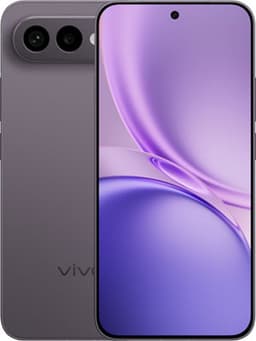
The Google Pixel 10 offers a 5x optical telephoto camera and a larger battery, making it worth considering for zoom photography and endurance. The iPhone 17 provides a different experience through iOS, a high-resolution dual-camera system, and Dolby Vision video recording. The Vivo X300 offers a larger battery and faster wired charging, appealing to buyers who prioritize endurance and charging speed. The Galaxy S25 remains the most compact option among these phones, with strong processing performance, a dedicated 3x telephoto camera, and Samsung’s One UI ecosystem.
| Network | Technology | GSM / CDMA / HSPA / EVDO / LTE / 5G |
|---|
| Launch | Announced | 2025, January 22 |
|---|---|---|
| Status | Available. Released 2025, February 03 |
| Body | Dimensions | 146.9 x 70.5 x 7.2 mm |
|---|---|---|
| Weight | 162 g | |
| Build | Glass front (Gorilla Glass Victus 2), glass back (Gorilla Glass Victus 2), aluminum frame | |
| SIM | · Nano-SIM + Nano-SIM + eSIM + eSIM (max 2 at a time) - INT · Nano-SIM + eSIM + eSIM (max 2 at a time) - USA · Nano-SIM + Nano-SIM - CN |
| Display | Type | Dynamic LTPO AMOLED 2X, 120Hz, HDR10+, 2600 nits (peak) |
|---|---|---|
| Size | 6.2 inches (~91.1% screen-to-body ratio) | |
| Resolution | 1080 x 2340 pixels, 19.5:9 ratio (~416 ppi density) | |
| Protection | Corning Gorilla Glass Victus 2, Mohs level 5 |
| Platform | OS | Android 15, up to 7 major Android upgrades, One UI 8 |
|---|---|---|
| Chipset | Qualcomm SM8750-AC Snapdragon 8 Elite (3 nm) | |
| CPU | Octa-core (2x4.47 GHz Oryon V2 Phoenix L + 6x3.53 GHz Oryon V2 Phoenix M) | |
| GPU | Adreno 830 (1200 MHz) |
| Memory | Internal | 128GB 12GB RAM, 256GB 12GB RAM, 512GB 12GB RAM |
|---|---|---|
| Card Slot | No |
| Main Camera | Modules | 50 MP, f/1.8, 24mm (wide), 1/1.56", 1.0µm, dual pixel PDAF, OIS 10 MP, f/2.4, 67mm (telephoto), 1/3.94", 1.0µm, PDAF, OIS, 3x optical zoom 12 MP, f/2.2, 13mm, 120˚ (ultrawide), 1/2.55" 1.4µm, Super Steady video |
|---|---|---|
| Features | Best Face, LED flash, auto-HDR, panorama | |
| Video | 8K@24/30fps, 4K@30/60fps, 1080p@30/60/120/240fps, 10-bit HDR, HDR10+, stereo sound rec., gyro-EIS |
| Selfie Camera | Modules | 12 MP, f/2.2, 26mm (wide), 1/3.2", 1.12µm, dual pixel PDAF |
|---|---|---|
| Features | HDR, HDR10+ | |
| Video | 4K@30/60fps, 1080p@30fps |
| Sound | Loudspeaker | Yes, with stereo speakers |
|---|---|---|
| 3.5mm Jack | No |
| Comms | WLAN | Wi-Fi 802.11 a/b/g/n/ac/6e/7, tri-band, Wi-Fi Direct |
|---|---|---|
| Bluetooth | 5.4, A2DP, LE | |
| GPS | GPS, GLONASS, BDS, GALILEO, QZSS | |
| NFC | Yes | |
| Radio | No | |
| USB | USB Type-C 3.2, DisplayPort 1.2, OTG |
| Features | Sensors | Fingerprint (under display, ultrasonic), accelerometer, gyro, proximity, compass, barometer |
|---|
| Battery | Type | Li-Ion 4000 mAh |
|---|---|---|
| Charging | 25W wired, PD3.0, 50% in 30 min 15W wireless (Qi2 Ready) 4.5W reverse wireless |
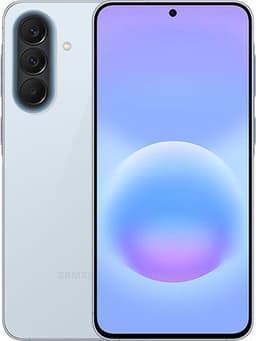
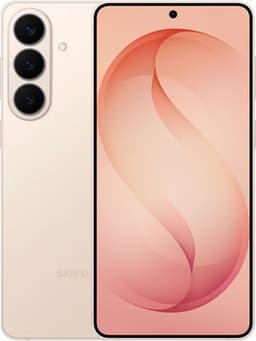
| Misc | Colors | Icy Blue, Mint, Navy, Silver Shadow, Pink Gold, Coral Red, Blue Black |
|---|---|---|
| Models | SM-S931B, SM-S931B/DS, SM-S931U, SM-S931U1, SM-S931W, SM-S931N, SM-S9310, SM-S931E, SM-S931E/DS |
Samsung Galaxy S25
Similar Price Range




Top Trending Mobiles
More from Samsung
See more


Other Samsung models
- Samsung Galaxy S24Rs. 289,999
- Samsung Galaxy S24 FERs. 219,999
- Samsung Galaxy S24 PlusRs. 464,999
- Samsung Galaxy S24 UltraRs. 434,999
- Samsung Galaxy S25This phone
- Samsung Galaxy S25 EdgeRs. 307,999
- Samsung Galaxy S25 FERs. 219,999
- Samsung Galaxy S25 PlusRs. 333,999
- Samsung Galaxy S25 ProRs. 489,999
Samsung Galaxy S25: Buyer's Guide
Is It Value for Money?
At Rs. 257,999 for the 12GB + 512GB version, the Samsung Galaxy S25 is the most affordable way into Samsung's current flagship line in Pakistan. It is not the best spec sheet for the money, but it is one of the most complete small phones you can buy.
Main advantages:
- A truly compact body at 162 g that works comfortably in one hand
- Snapdragon 8 Elite performance close to the Galaxy S25 Ultra in daily use
- Seven years of updates, longer than most Android rivals
- Reliable, natural-looking photos and portraits in good light
Main disadvantages:
- A 4000 mAh battery that is small for the price
- Slow 25W charging and no charger in the box
- Weaker night photos from the ultrawide and zoom cameras
The Google Pixel 10 (Rs. 219,499) costs less and also promises up to seven Android upgrades, with a bigger 4970 mAh battery and 30W charging. The Vivo X300 FE (Rs. 251,999) costs about the same and offers a far bigger 6500 mAh battery with 90W charging, but a shorter update promise of five OS updates.
Verdict: worth it for buyers who want a small, premium phone they can keep for many years. If battery life and fast charging matter most, the Vivo X300 FE is the stronger buy at this price.
How Is the Display?
Official specs: a 6.2 inches Dynamic LTPO AMOLED 2X panel at 1080 x 2340 resolution, with a 120Hz refresh rate, HDR10+ and up to 2600 nits peak brightness. Gorilla Glass Victus 2 protects the front.
Real-world use: colours are rich, blacks are deep and the bezels are thin and even on all four sides, so the screen looks premium despite its small size. Scrolling and animations feel smooth, and the LTPO panel lowers the refresh rate on still content to save power. In direct sunlight the screen gets very bright and stays easy to read, which matters in Pakistani summers.
The resolution is Full HD+ rather than the sharper panel of the Galaxy S25 Ultra, but at this screen size text and video still look crisp.
Limitations:
- No Dolby Vision support, so some HDR streaming content does not look as punchy as on rivals that support it
- No high-frequency PWM or DC dimming option, so people who are sensitive to screen flicker at low brightness may notice eye strain
- The small screen is less comfortable for long gaming or video sessions than on a larger phone
The ultrasonic in-display fingerprint sensor is fast and works well even with wet or oily fingers.
How Is the Performance?
The Galaxy S25 uses the Qualcomm Snapdragon 8 Elite (3 nm) with 12GB RAM in every version. This is the same chip as the Galaxy S25 Ultra, and in practice the two phones feel almost identical in speed.
Everyday use: apps open instantly, switching between many apps is smooth and the 12GB RAM keeps apps in memory well. Nothing in normal daily use slows the phone down.
Gaming: demanding titles such as Genshin Impact run at high, steady frame rates, matching other phones with the same chip. Any game on the Play Store runs well on this phone.
Heating: this is the main limitation. The small body has less room to spread heat, so the phone gets noticeably warm during long gaming sessions. In a Genshin Impact test it reached about 43°, warmer than a rival using the same chip. Frame rates held up, but the back of the phone becomes uncomfortable to hold over time.
Bottom line: performance is top class and will stay fast for years. Heavy gamers who play for long stretches may prefer a larger phone that stays cooler.
How Is the Camera?
Official specs: a 50 MP main camera with OIS, a 10 MP telephoto with 3x optical zoom and OIS, and a 12 MP ultrawide. The front camera is 12 MP with autofocus.
Daylight: photos have good detail, strong dynamic range and natural colours. Reds and yellows are handled accurately, and in daylight the results come close to the Galaxy S25 Ultra.
Portraits and selfies: this is a clear strength. Skin tones look natural and highlights are well controlled. Portraits can be taken at several focal lengths between 24mm and 67mm, although zoomed portraits look slightly soft up close because the telephoto sensor is small. Selfies are consistent in skin tone and contrast.
Low light: the weak point. Night photos from the main camera are fine, but shots from the ultrawide and telephoto can look grainy and lack detail. The Galaxy S25 Ultra is noticeably better at night, and some rivals at this price beat the S25 in low light. Many buyers also feel the 12 MP ultrawide is too modest for the price.
Video: the main camera records up to 8K, while the zoom and ultrawide cameras do not offer 8K. Daytime video is stable with slightly warm colours. You can switch between all rear cameras, and even the front camera, while recording 4K at 60fps, which is useful for vlogging. Night video from the ultrawide is weak.
There is no dedicated macro mode. Useful camera tools include Audio Eraser to remove background noise from videos and Best Face for group photos.
How Is the Battery?
Official specs: a 4000 mAh battery with 25W wired charging (about 50% in 30 min), 15W wireless charging (Qi2 Ready) and 4.5W reverse wireless charging.
Real-world use: with mixed use the Galaxy S25 delivers around 5.5 hours of screen-on time. That is enough to get most people through a working day, but heavy users, gamers and people who use mobile data and navigation for long periods will likely need a top-up before night. Rivals with the newer silicon-carbon batteries last noticeably longer on a charge.
Charging: 25W is slow for a phone at this price. Half a charge comes quickly, but a full charge takes well over an hour; GSMArena's comparison table lists the base Galaxy S25 at a little over an hour and a quarter. The S25 does not support faster 45W charging, so a bigger Samsung adapter will not speed it up.
Charger: there is no charger in the box, so budget for a USB-C PD adapter if you do not already have one.
Bottom line: battery life is acceptable rather than impressive. It is the biggest compromise of choosing such a compact phone.
How Is the Software?
The Galaxy S25 launched with Android 15 and One UI 7, and has since moved to One UI 8. Samsung promises seven years of updates, with up to 7 major Android upgrades, one of the longest commitments on any Android phone. This makes the S25 a sensible long-term purchase.
Everyday experience: One UI feels polished, with a redesigned quick settings panel, a fresh multitasking screen and smooth system animations. The camera app is simple and easy to learn.
Galaxy AI features are built into many parts of the phone rather than kept in one app:
- Photo editing tools in the Gallery, including generative edits and Sketch to Image
- Writing help and grammar correction in the Samsung Keyboard
- Summaries of web pages in the browser
- Gemini as the built-in assistant
- Audio Eraser for cleaning up video sound
The S25 gets the same Galaxy AI features as the much more expensive Galaxy S25 Ultra, so you do not lose software features by choosing the smaller model.
Limitations: some AI tools work best with an internet connection, and AI features vary in usefulness from person to person. Note that the phone has no headphone jack and no memory card slot, so choose your storage size carefully.
Samsung Galaxy S25: Questions Buyers Ask
Does the Samsung Galaxy S25 support 45W charging?
No. The Galaxy S25 supports 25W wired charging, which reaches about 50% in 30 min. It also supports 15W wireless charging and 4.5W reverse wireless charging. Using a 45W Samsung adapter is safe, but the phone will still charge at its 25W maximum. A charger is not included in the box.
Is a 4000 mAh battery enough on the Galaxy S25?
For most people it lasts a full day, but not much more. Mixed use gives around 5.5 hours of screen-on time, which is below many rivals at this price that use bigger silicon-carbon batteries. Heavy gamers and users who rely on mobile data all day will likely need to charge before night.
Does the Galaxy S25 have a heating issue?
It stays cool in normal use but gets warm in long gaming sessions. In a Genshin Impact test it reached about 43°, warmer than a rival with the same chip, although frame rates stayed high. Its small body has less room to spread heat, so long sessions make the back uncomfortable to hold.
Is One UI better than Xiaomi's HyperOS?
For most buyers, yes. One UI on the Galaxy S25 has a cleaner quick settings panel, smoother animations and Galaxy AI tools built into the Gallery, keyboard and browser. Samsung also promises seven years of updates, while Xiaomi commits to four years of HyperOS updates on the Xiaomi 15, so the S25 stays supported much longer.
Which takes better photos, the Galaxy S25 or the Xiaomi 15?
It depends on the light. The Galaxy S25 takes more natural daylight photos, better portraits with accurate skin tones and more consistent selfies. The Xiaomi 15 is better at night, with more detail and less noise, and it can also take macro shots. For everyday daylight and people photos, the S25 is the safer choice.
