


Xiaomi 17T price in Pakistan
Xiaomi 17T price in Pakistan is Rs. 218,999 (last updated 27 Oct 2026). See all Xiaomi phones.
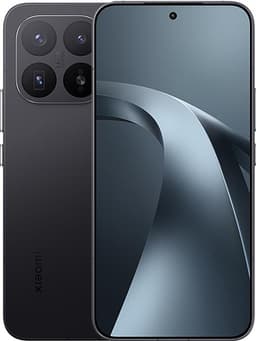
The Xiaomi 17T is aimed at buyers who want strong performance, versatile cameras, and a premium everyday experience in a relatively manageable size. Its Dimensity 8500 Ultra processor handles demanding games and multitasking, while the 120Hz display delivers smooth scrolling, vibrant colours, and excellent outdoor visibility. The camera system is a major improvement, combining a 50MP main camera with a 50MP periscope telephoto camera offering 5x optical zoom and a 12MP ultrawide lens. Daylight photos stand out for cinematic colours, portrait separation, and pleasing skin tones, while video recording supports 4K at 60fps from the rear camera and 4K at 30fps from the front. A 6,500mAh battery, 67W wired charging, reverse charging, and 512GB storage make it practical for long-term use.
Who it's for
- Photography enthusiasts who want detailed daylight photos, portrait shots, and genuine optical zoom without relying entirely on digital cropping.
- Gamers and multitaskers who need capable processing performance for demanding games, everyday productivity, and intensive apps.
- Buyers seeking a long-term daily phone with a bright high-refresh-rate display, large battery, generous storage, and dual physical SIM plus eSIM support.
Where it falls short
The biggest compromise is low-light camera consistency. Colours can appear muted or vary between shots taken close together, even though daylight photography is substantially stronger. The 67W charging is respectable but slower than some alternatives in this price range. The plastic frame and fibre-glass back also feel less premium than an all-metal or glass construction, while the design remains similar to earlier Xiaomi T-series phones. There is no microSD card slot, although the generous internal storage reduces the practical impact.
Worth comparing
The Nothing Phone 4a Pro offers a distinctive metal design, a high-refresh-rate AMOLED display, a Snapdragon 7 Gen 4 processor, and a camera system with 3.5x optical zoom. Its 5,080mAh battery and 50W wired charging are smaller and slower than the Xiaomi 17T's battery and charging setup. The Xiaomi provides 5x optical zoom, a larger battery, faster charging, and stronger gaming hardware, while the Nothing offers a different design and software experience. Consider the Xiaomi for camera versatility, performance, and endurance; compare the Nothing if design and its software approach matter more to you.
| Network | Technology | GSM / HSPA / LTE / 5G |
|---|
| Launch | Announced | 2026, May 28 |
|---|---|---|
| Status | Available. Released 2026, May 28 |
| Body | Dimensions | 157.6 x 75.2 x 8.2 mm |
|---|---|---|
| Weight | 200 g | |
| Build | Glass front (Gorilla Glass 7i), plastic frame, glass-fiber reinforced plastic back (Gorilla Glass 7i) | |
| SIM | · Nano-SIM + Nano-SIM + eSIM + eSIM (max 2 at a time) · Nano-SIM + Nano-SIM |
| Display | Type | AMOLED, 68B colors, 120Hz, 3840Hz PWM, Dolby Vision, HDR10+, 3500 nits (peak) |
|---|---|---|
| Size | 6.59 inches (~89.8% screen-to-body ratio) | |
| Resolution | 1268 x 2756 pixels, 19.5:9 ratio (~460 ppi density) | |
| Protection | Corning Gorilla Glass 7i, Mohs level 5 |
| Platform | OS | Android 16, HyperOS 3 |
|---|---|---|
| Chipset | Mediatek Dimensity 8500 Ultra (4 nm) | |
| CPU | Octa-core (1x3.4 GHz Cortex-A725 & 3x3.2 GHz Cortex-A725 & 4x2.2 GHz Cortex-A725) | |
| GPU | Mali-G720 MC8 |
| Memory | Internal | 256GB 12GB RAM, 512GB 12GB RAM |
|---|---|---|
| Card Slot | No |
| Main Camera | Modules | 50 MP, f/1.7, 23mm (wide), 1/1.55", 1.0µm, PDAF (9cm - ∞), OIS 50 MP, f/3.0, 115mm (periscope telephoto), 1/2.76", 0.64µm, PDAF (30cm - ∞), OIS, 5x optical zoom 12 MP, f/2.2, 15mm, 120˚ (ultrawide), 1/3.06", 1.12µm |
|---|---|---|
| Features | Leica lens, Color spectrum sensor, Ultra HDR, LED flash, HDR, panorama | |
| Video | 4K@30/60fps, 1080p@30/60/120/240/960fps, gyro-EIS, 10-bit Rec. 2020, HDR10+, Log |
| Selfie Camera | Modules | 32 MP, f/2.2, 21mm (wide), 1/3.42", 0.64µm |
|---|---|---|
| Features | HDR | |
| Video | 4K@30fps, 1080p@30/60fps, HDR10+ |
| Sound | Loudspeaker | Yes, with stereo speakers (with Dolby Atmos) |
|---|---|---|
| 3.5mm Jack | No |
| Comms | WLAN | Wi-Fi 802.11 a/b/g/n/ac/6e, dual-band or tri-band, Wi-Fi Direct |
|---|---|---|
| Bluetooth | 6.0, A2DP, LE | |
| GPS | GPS (L1+L5), BDS (B1I+B1c+B2a), GALILEO (E1+E5a), QZSS (L1+L5), NavIC (L5), GLONASS | |
| NFC | Yes (market/region dependent) | |
| Radio | No | |
| USB | USB Type-C 2.0, OTG |
| Features | Sensors | Fingerprint (under display, optical), accelerometer, gyro, proximity, compass |
|---|
| Battery | Type | Si/C Li-Ion 6500 mAh - Global Si/C Li-Ion 7000 mAh - China only |
|---|---|---|
| Charging | 67W wired, 50W PPS, PD3.0 22.5W reverse wired |
| Misc | Colors | Violet, Blue, Opal White, Black |
|---|---|---|
| Models | 2602DPT53G, 2602DPT53I |
Xiaomi 17T
Similar Price Range






Top Trending Mobiles
More from Xiaomi
See more


Other Xiaomi models
- Xiaomi 17 Pro MaxRs. 413,999
- Xiaomi 17 UltraRs. 439,999
- Xiaomi 17 Ultra Leica EditionRs. 481,999
- Xiaomi 17s ProRs. 344,999
- Xiaomi 17TThis phone
- Xiaomi 17T ProRs. 249,999
- Xiaomi 18Rs. 309,999
- Xiaomi 18 ProRs. 322,999
- Xiaomi 18 Pro MaxRs. 375,999
Xiaomi 17T: Buyer's Guide
Is It Value for Money?
At Rs. 218,999 for the 12GB + 512GB model, the Xiaomi 17T is a strong premium mid-ranger, but not a bargain. Its case rests on three things: a genuine 5x periscope zoom camera, a fast Dimensity 8500 Ultra chip that holds its speed under load, and a 6500 mAh battery with the 67W charger in the box.
Main advantages
- 5x telephoto that doubles as a portrait and macro lens, rare at this price
- Compact 6.59 inch body that is easy to use with one hand
- 512GB storage as standard on the Pakistani unit
- Strong sustained gaming performance and reliable all-day battery
Main compromises
- Plastic frame, where rivals use aluminium
- Optical in-display fingerprint sensor instead of ultrasonic
- No wireless charging and a USB 2.0 port
- LTPS screen rather than LTPO, so no very low refresh rate for battery saving
Compared with the alternatives: the Vivo X300 FE costs more and offers a metal frame, an LTPO panel, wireless charging, 4K 60fps selfie video and, in one Pakistani comparison, slightly better overall camera and battery results, but only 256GB storage for that money. The Galaxy S24 Ultra (Rs. 434,999) is a full flagship at about double the price; the 17T has the bigger battery (6500 mAh against 5000 mAh), but the Samsung brings a flagship Snapdragon chip, wireless charging and a much longer update promise.
Verdict: worth buying if you want flagship-style portraits and zoom, lots of storage and long battery life without paying flagship prices. If build materials and a premium in-hand feel matter more than storage, the X300 FE is worth the extra spend.
How Is the Display?
The Xiaomi 17T uses a 6.59 inch AMOLED panel at 1268 x 2756 resolution (around 460 ppi) with a 120Hz refresh rate, HDR10+, Dolby Vision and a 12-bit (68 billion colour) signal. Colours look rich and accurate, and touch response is excellent, which helps both typing and gaming.
Brightness is a real strength. Xiaomi quotes a 3500 nits peak for HDR highlights, and GSMArena's lab measurement came close to that figure, while in sunlight on auto brightness it is comfortably readable outdoors. For YouTube and Netflix, HDR content looks punchy and the screen is well suited to binge watching.
Limitations to know:
- It is an LTPS panel, not LTPO, so it cannot drop to 1Hz on static screens like the Vivo X300 FE; the Pakistani comparison also found the always-on display option less flexible.
- The Vivo gets brighter in direct sun, though the difference in normal use was small.
- Some users report brightness dropping after several minutes of outdoor camera use, which points to heat-related dimming; this has not been tested independently.
Protection is Gorilla Glass 7i, and the 3840Hz PWM dimming is aimed at reducing flicker for people sensitive to it at low brightness.
How Is the Performance?
The MediaTek Dimensity 8500 Ultra (4 nm) is paired with LPDDR5X RAM and UFS 4.1 storage, a combination that makes this one of the quicker non-gaming phones in its price bracket. Apps open quickly and the HyperOS interface feels smooth in daily use.
Gaming: PUBG Mobile runs at Ultra Extreme on Smooth graphics, Extreme Plus at HD and Extreme even at Ultra HD. Its stability stands out: frame-rate lows and long-session consistency were better than rivals like the Galaxy A57 and Vivo V70. GSMArena's stress test found the chip hardly throttles and keeps most of its speed under heavy load.
Heat: the phone warms up during long games and outdoor video recording, but not to an alarming level. In the Pakistani comparison it reached about 44° in a speed test versus 41° on the Vivo X300 FE, yet it cooled down faster and dropped no frames while recording outdoors, whereas the Vivo lagged once hot.
Limitations:
- Gaming-focused phones at this price (such as the OnePlus 15R) carry faster chipsets.
- The X300 FE's Snapdragon chip completed a long app-run test faster and with less battery drain.
- Some apps were seen staying in memory while others reloaded, and there is a slight lag when swiping to the Google Discover feed.
For editing, a 4K 60fps file rendered in CapCut without problems, close to the Vivo's result.
How Is the Camera?
This is the Xiaomi 17T's headline feature. The rear setup is a 50 MP main (Light Fusion 800 sensor with OIS), a 50 MP 5x periscope telephoto with OIS and a 12 MP ultrawide, tuned with Leica.
Daylight: this is where it shines. Photos have a cinematic, carefully lit look with good handling of backlight and natural skin tones, avoiding Xiaomi's older habit of washing faces out. Leica Authentic mode gives contrasty, dramatic shots; Leica Vibrant gives brighter colours better suited to social media. One Pakistani tester felt the default Leica look can be vintage and overexposed, and that skin tones shift when shooting against the light.
5x telephoto and portraits: the standout. It works as a true portrait lens with natural background separation, clean edge detection and pleasing faces, and detail holds up from 5x to around 10x better than the Vivo X300 FE's 3x lens. It also doubles as a macro camera, though it cannot get extremely close.
Low light: improved but inconsistent; two shots taken a minute apart can come out with muted or proper colours.
Ultrawide: colours match the main camera well, which is uncommon at this price, and it can record 4K 30fps and even portrait-blur video.
Video: 4K 30fps on all three rear cameras, 4K 60fps on the main and telephoto, with lens switching at 4K 30fps and steady stabilisation. Audio extras include 3D audio and tap-to-track sound focus. The ceiling is 4K 60fps, while the X300 FE offers higher frame rates and 8K.
Selfie: the 32 MP front camera produces good, not over-sharpened skin tones and records up to 4K 30fps; video quality is decent but not outstanding.
How Is the Battery?
The Xiaomi 17T sold in Pakistan has a 6500 mAh silicon-carbon battery (the larger 7000 mAh cell is China-only). In real use it lasted about a day and a half for a mixed user and close to two days for light use, and GSMArena's standard test gave an Active Use Score of over 17 hours.
Charging: the 67W charger is in the box, and a full charge takes about an hour. That is decent, but some rivals at this price charge faster, including the Vivo X300 FE at 90W.
Other points:
- No wireless charging, which the X300 FE and Galaxy S24 Ultra both offer.
- 22.5W reverse wired charging lets you fast-charge another phone or earbuds over a cable.
- Standby drain was higher than the Vivo in a Pakistani overnight test: the 17T lost 6% while idle, and it also used a bit more battery in the app-run test.
How Is the Software?
The Xiaomi 17T runs HyperOS 3 on Android 16. It feels smooth in daily use, ships with Google's own keyboard and dialer, and the X-axis haptic motor gives it a premium, precise feel when typing or dragging sliders.
Useful features:
- Gemini as the main assistant, plus AI transcription, translation, live subtitles and AI search
- AI photo tools in the gallery: expand a photo to a wider frame, erase objects, change the sky, and AI Ultra HD upscaling
- NFC with tap to pay, an IR blaster, dual physical SIM plus eSIM, and an offline communication feature
Update policy: Xiaomi's commitment for the 17 series is five major Android upgrades plus a sixth year of security patches, longer than Xiaomi used to offer but still short of Samsung's seven-year promise on the Galaxy S24 Ultra.
Limitations: HyperOS is still less polished than Samsung's One UI, with small stutters such as the slight lag when opening the Google Discover feed, and occasional inconsistent RAM management. Pakistani buyers who prefer a lighter interface may find Vivo's OriginOS cleaner.
Xiaomi 17T: Questions Buyers Ask
Is the Xiaomi 17T available in Pakistan?
Yes. Xiaomi launched the 17T officially in Pakistan in the 12GB + 512GB variant, sold through the Mi Store and retailers. Our database lists it at Rs. 218,999.
Does the Xiaomi 17T have a plastic frame?
Yes. The frame is plastic and the back is glass-fibre reinforced plastic, with Gorilla Glass 7i on the front. It feels solid, with no creaks and good weight balance, but rivals such as the Vivo X300 FE use an aluminium frame and glass back.
Can the Xiaomi 17T edit 4K 60fps video smoothly?
Yes. In a Pakistani comparison, a 4K 60fps file rendered in CapCut without trouble and only slightly behind the Snapdragon-powered Vivo X300 FE. The Dimensity 8500 Ultra also held its performance well in sustained stress tests.
Are Xiaomi 17T photos too contrasty?
Only in Leica Authentic mode, which deliberately gives dramatic, contrasty shots. Switching to Leica Vibrant produces brighter, more natural colours that most people prefer for social media. One tester felt the default look can lean vintage and overexposed until you change the style.
